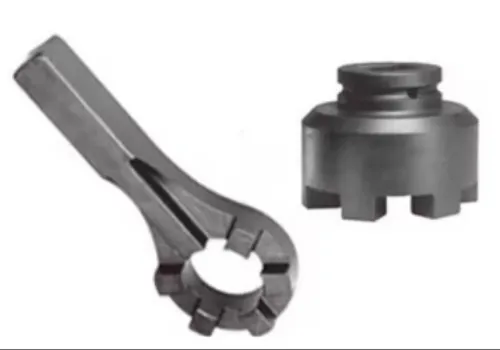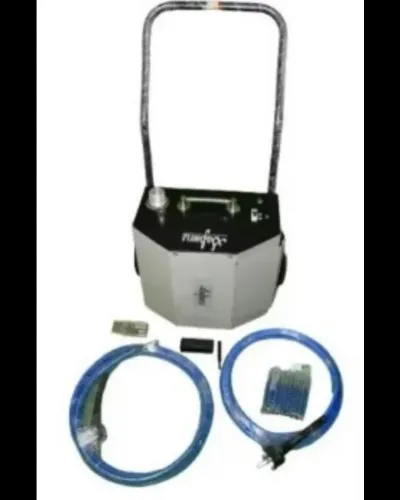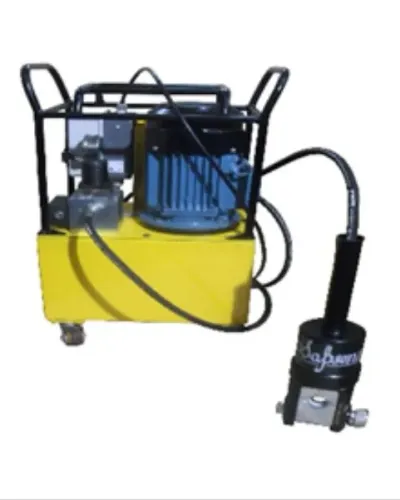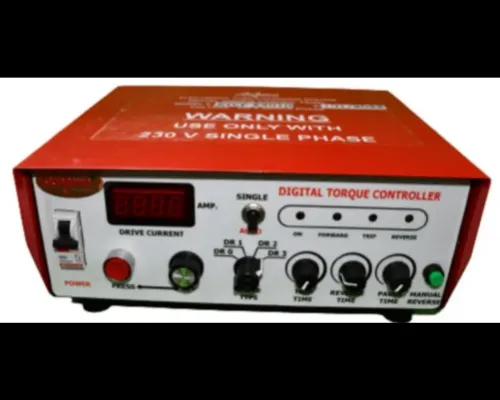
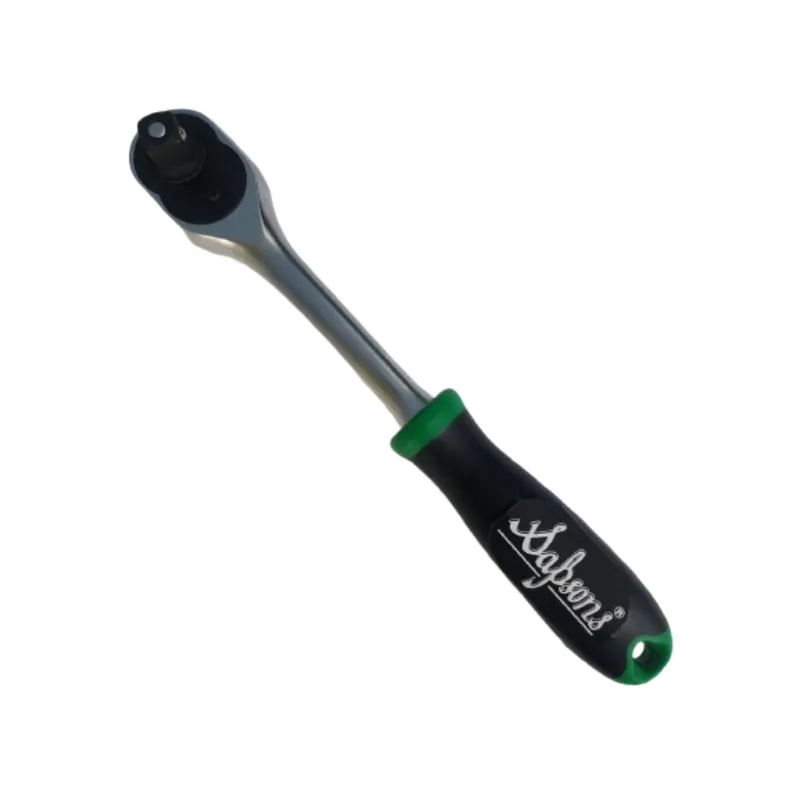
A ratchet handle (also called a ratchet wrench) is a mechanical hand tool used to tighten or loosen fasteners like nuts and bolts efficiently without removing and repositioning the tool after each turn.
A ratchet handle works on a ratcheting mechanism that allows rotation in one direction while preventing motion in the opposite direction. This saves time and effort, especially in confined spaces.
Main Components
Handle: Provides grip and leverage to apply torque.
Ratchet Head: Contains the internal gear mechanism.
Square Drive: Connects to sockets.
Direction Switch (Reversing Lever): Changes rotation direction (tighten/loosen).
Quick Release Button (optional): Allows easy socket removal.
Gear & Pawl Mechanism: Enables ratcheting action.
Types of Ratchet Handles
Standard Ratchet: Regular use in general applications.
Flexible Head Ratchet: Adjustable head for angled access.
Extendable (Telescopic) Ratchet: Adjustable length for higher torque.
Stubby Ratchet: Short handle for tight spaces.
Heavy-Duty Ratchet: Designed for industrial and high-torque tasks.
Technical Specifications
Drive Sizes: 1/4”, 3/8”, 1/2”, 3/4”, 1”
Material: Chrome Vanadium Steel
Finish: Chrome plated (corrosion resistant)
Gear Teeth: 24 to 72 teeth (higher teeth = finer movement)
Handle Length: 100 mm to 600 mm+
Applications
Automotive Industry:
Used for assembling/disassembling engines, wheel nuts, and chassis components.
Industrial Maintenance:
Widely used in plants for machinery maintenance and repair work.
Construction Work:
Fastening structural bolts and fittings.
Mechanical Workshops:
General-purpose tool for technicians and fitters.
Oil & Gas / Power Plants:
Used in equipment servicing where repetitive fastening is required.
DIY & Household Use:
Furniture assembly, appliance repair, and basic maintenance.
Advantages
Saves time due to continuous operation
Requires less effort compared to spanners
Works efficiently in tight or restricted spaces
Provides better control and precision
Limitations
Not suitable for extremely high torque (use torque wrench instead)
Internal mechanism may wear out if overloaded
Requires proper maintenance and lubrication
Tips for Use
Always use the correct drive size and socket
Do not use a pipe for extra leverage (can damage mechanism)
Keep it clean and lightly lubricated
Use a torque wrench when exact torque is required
A ratchet handle works on a ratcheting mechanism that allows rotation in one direction while preventing motion in the opposite direction. This saves time and effort, especially in confined spaces.
Main Components
Handle: Provides grip and leverage to apply torque.
Ratchet Head: Contains the internal gear mechanism.
Square Drive: Connects to sockets.
Direction Switch (Reversing Lever): Changes rotation direction (tighten/loosen).
Quick Release Button (optional): Allows easy socket removal.
Gear & Pawl Mechanism: Enables ratcheting action.
Types of Ratchet Handles
Standard Ratchet: Regular use in general applications.
Flexible Head Ratchet: Adjustable head for angled access.
Extendable (Telescopic) Ratchet: Adjustable length for higher torque.
Stubby Ratchet: Short handle for tight spaces.
Heavy-Duty Ratchet: Designed for industrial and high-torque tasks.
Technical Specifications
Drive Sizes: 1/4”, 3/8”, 1/2”, 3/4”, 1”
Material: Chrome Vanadium Steel
Finish: Chrome plated (corrosion resistant)
Gear Teeth: 24 to 72 teeth (higher teeth = finer movement)
Handle Length: 100 mm to 600 mm+
Applications
Automotive Industry:
Used for assembling/disassembling engines, wheel nuts, and chassis components.
Industrial Maintenance:
Widely used in plants for machinery maintenance and repair work.
Construction Work:
Fastening structural bolts and fittings.
Mechanical Workshops:
General-purpose tool for technicians and fitters.
Oil & Gas / Power Plants:
Used in equipment servicing where repetitive fastening is required.
DIY & Household Use:
Furniture assembly, appliance repair, and basic maintenance.
Advantages
Saves time due to continuous operation
Requires less effort compared to spanners
Works efficiently in tight or restricted spaces
Provides better control and precision
Limitations
Not suitable for extremely high torque (use torque wrench instead)
Internal mechanism may wear out if overloaded
Requires proper maintenance and lubrication
Tips for Use
Always use the correct drive size and socket
Do not use a pipe for extra leverage (can damage mechanism)
Keep it clean and lightly lubricated
Use a torque wrench when exact torque is required
Keywords