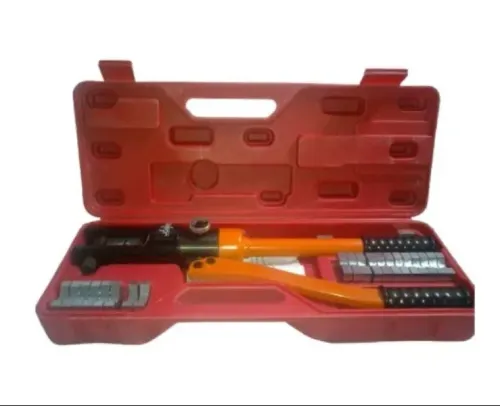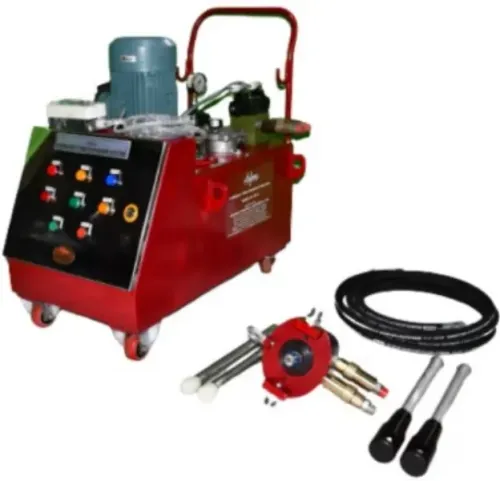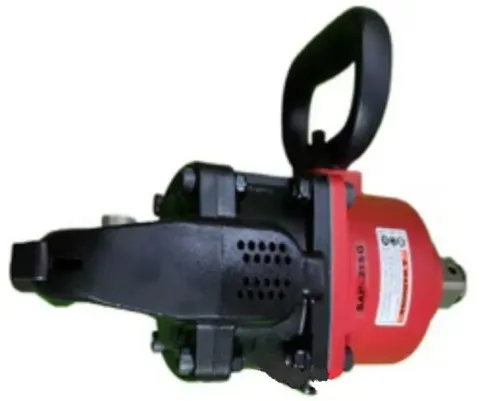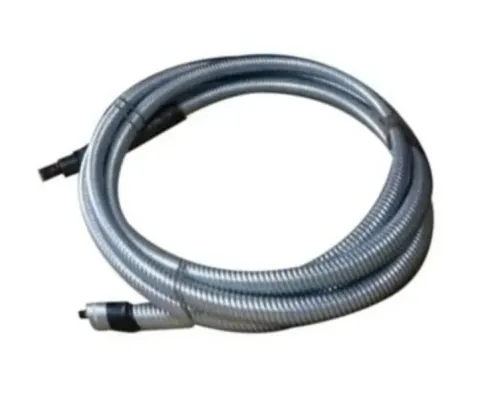
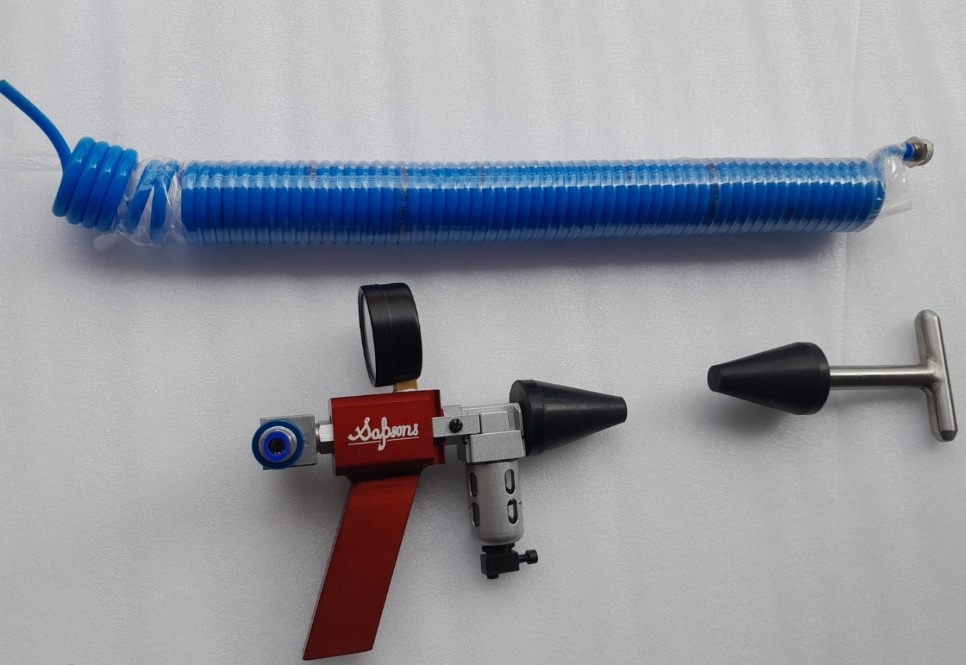
The SAPSONS Vacuum Tube Leak Tester is a portable instrument designed to quickly identify leaking tubes in tubular equipment. It is commonly used during maintenance shutdowns to locate tubes that need plugging or replacement.
Working principle :
• One end of the tube is sealed.
• The tester is connected to the other end.
• Compressed air creates a vacuum inside the tube.
• The vacuum gauge is observed:
- Stable vacuum: Tube is leak-free.
- Dropping vacuum: Tube has a leak.
Typical specifications :
• Tube size range: 1/4 in. to 3 in. OD (6.3–76.2 mm)
• Air supply required: 90 psi (approximately 6 bar)
• Built-in analog vacuum gauge
• Interchangeable tube seals for different tube diameters
• Portable and easy to operate
• Tool weight: approximately 2 kg (4.4 lb)
Applications :
• Surface condensers
• Shell-and-tube heat exchangers
• Chillers
• Boilers
• Evaporators
• Process cooling equipment
Advantages :
• Fast leak detection
• No need to fill the equipment with water
• Suitable for testing multiple tube sizes with one instrument
• Simple operation and lightweight design
• Helps quickly identify damaged tubes during maintenance
How It Works
• Principle: The device connects to a tube sucks air out to create a vacuum and then holds that vacuum.
• Detection: A connected gauge shows the vacuum level; if the reading stays constant, the tube is sealed. If the gauge needle drops, it signifies air is entering through a leak.
• Application: It's a fast, accurate, non-destructive method for locating leaks in tubular equipment, preventing costly issues.
The SAPSONS Vacuum Tube Leak Tester is a portable device used to detect leaks in tubes of heat exchangers, condensers, boilers, chillers, and similar equipment. It works by creating a vacuum inside a sealed tube using compressed air and monitoring the vacuum gauge. A stable vacuum indicates a leak-free tube, while a falling vacuum indicates a leak.
Keywords